

Free shipping on orders of €49 or more* - Pay in 4 installments with PayPal or Alma
Baby bib
Baby bibs: newborn bib, apron bib, and waterproof bib
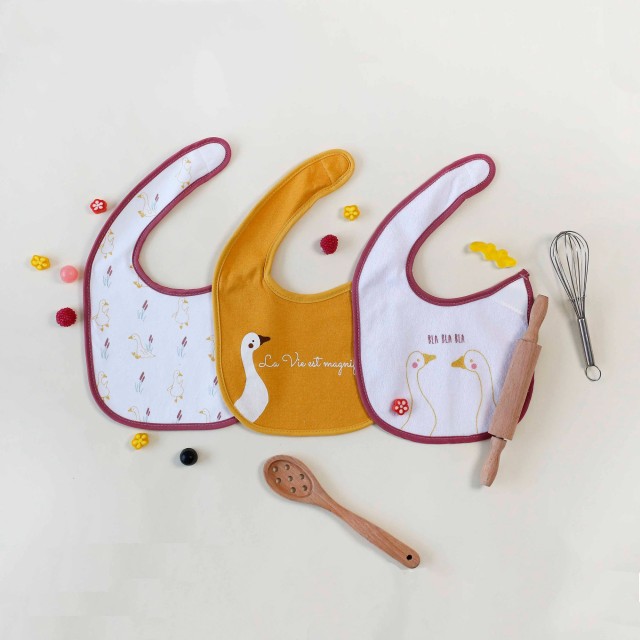
From the very first bottle to meals eaten almost like a big kid, the bib evolves with your child's needs. Absorbent newborn bib, waterproof model for weaning, silicone bib with a food catcher, full-coverage apron, or large nursery school bib: discover the Trois Kilos Sept designs created to protect clothing and simplify mealtimes every day.
52 products
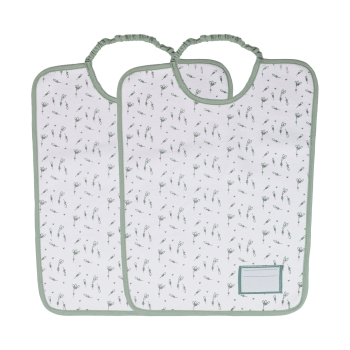
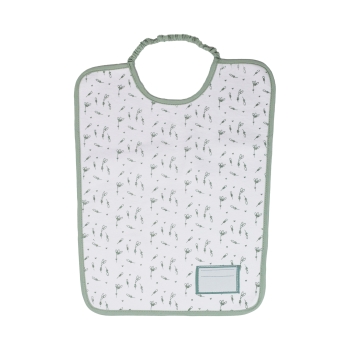


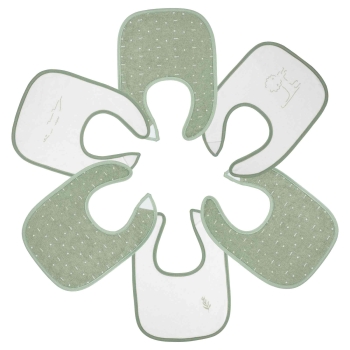
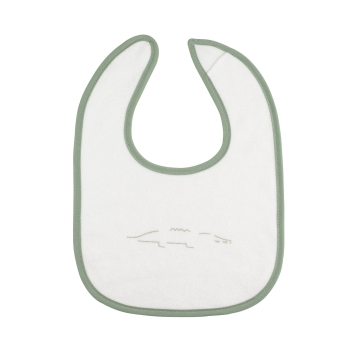
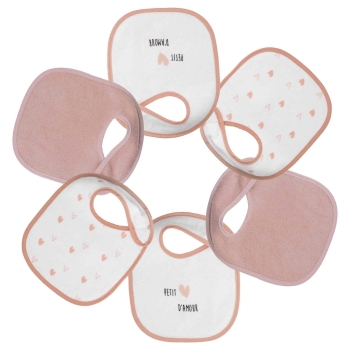
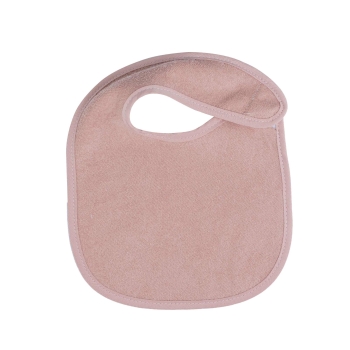
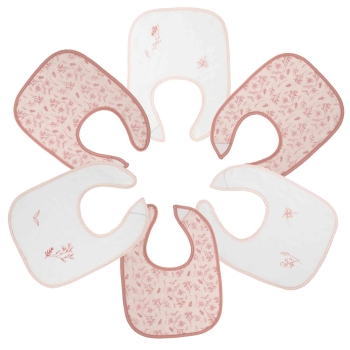
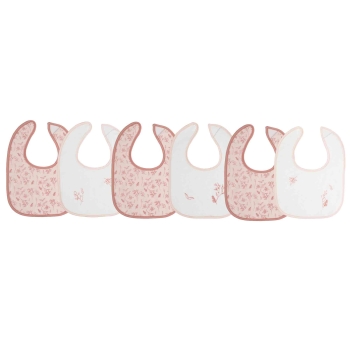
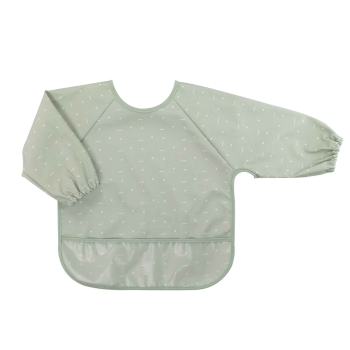
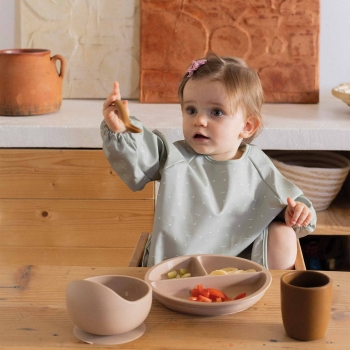
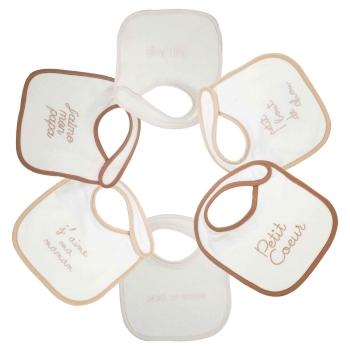
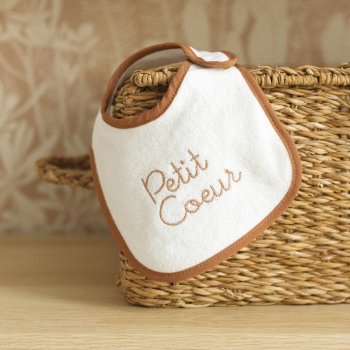
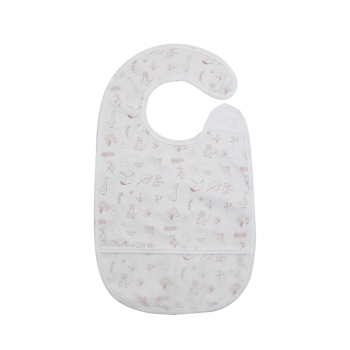
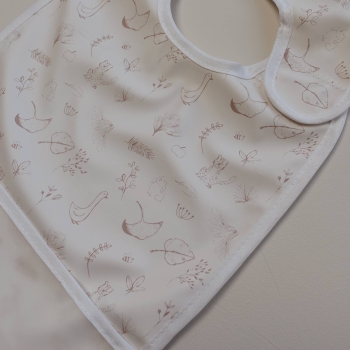
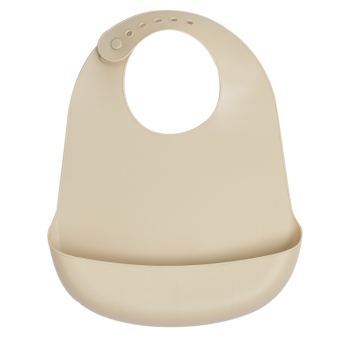
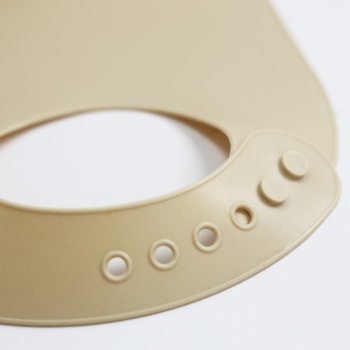

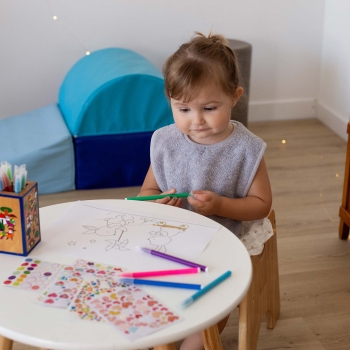

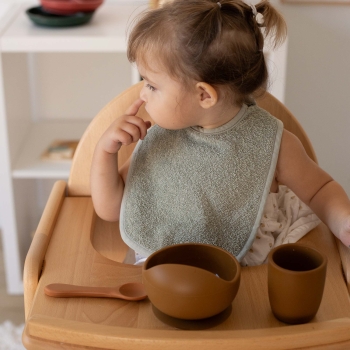

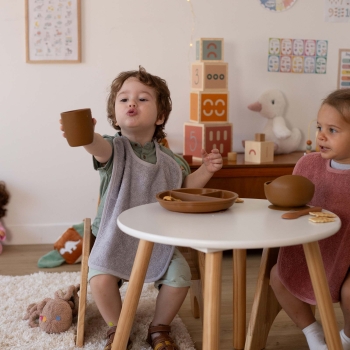
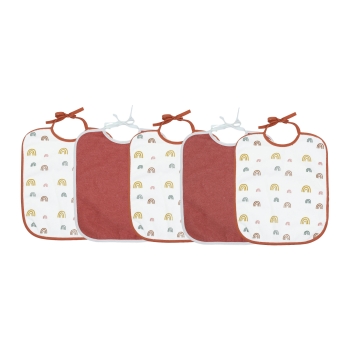
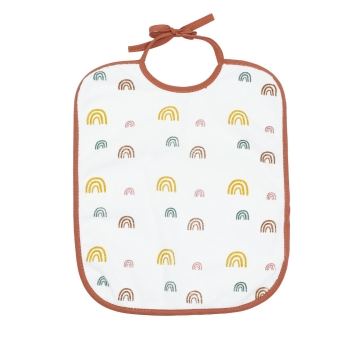
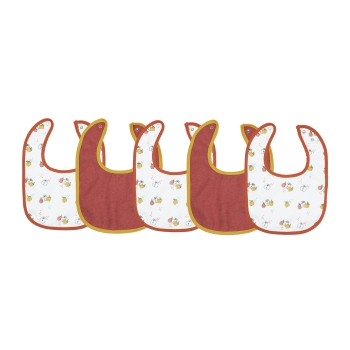
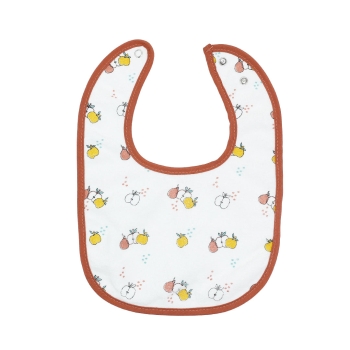
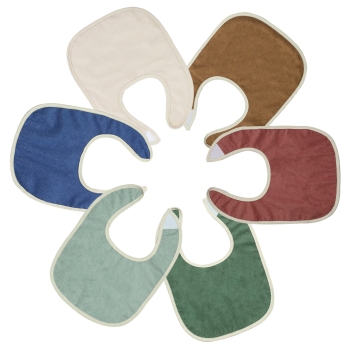
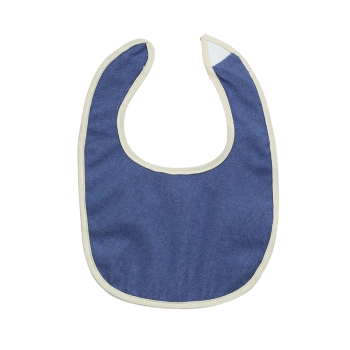
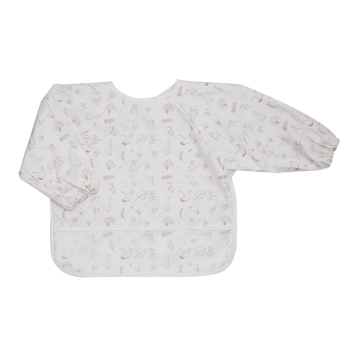
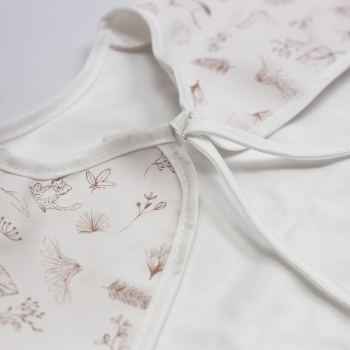
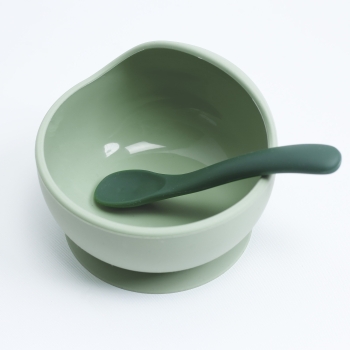
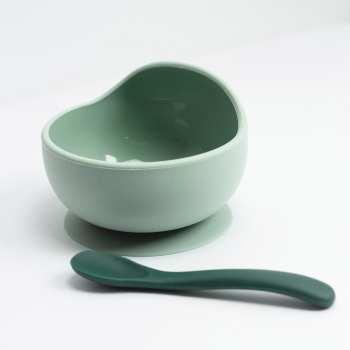
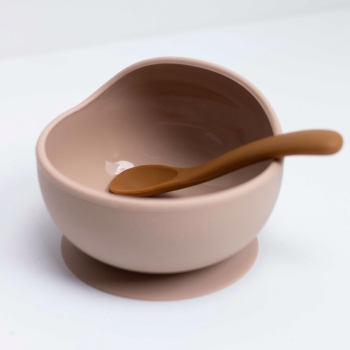
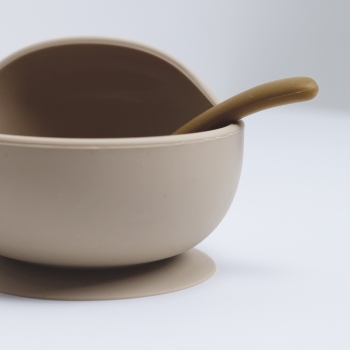
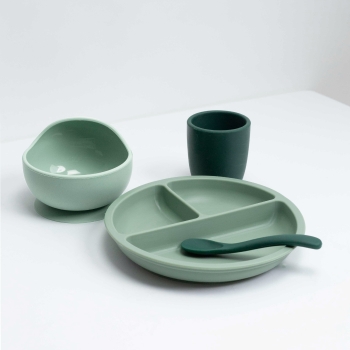
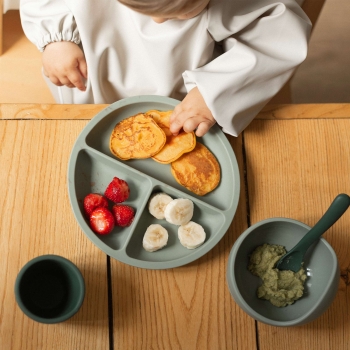
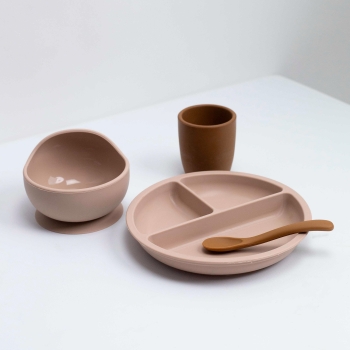
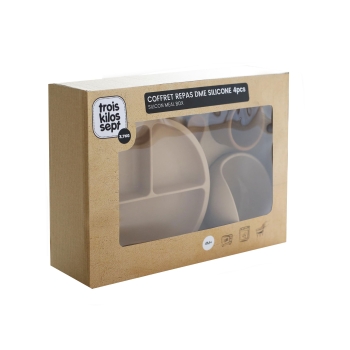
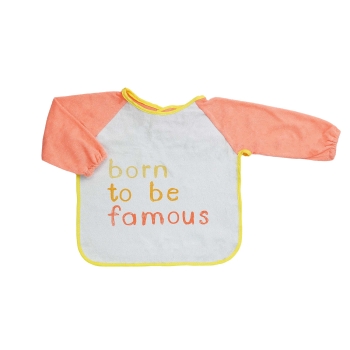
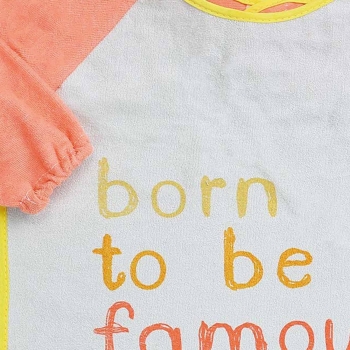
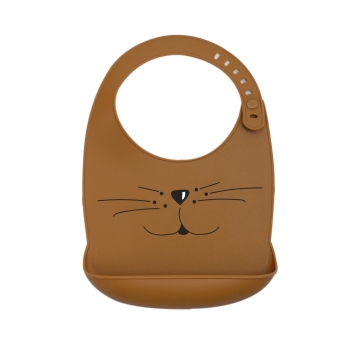
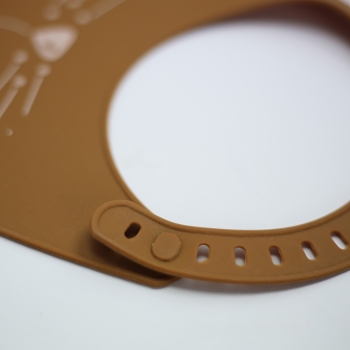
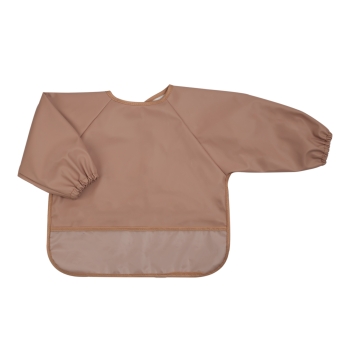
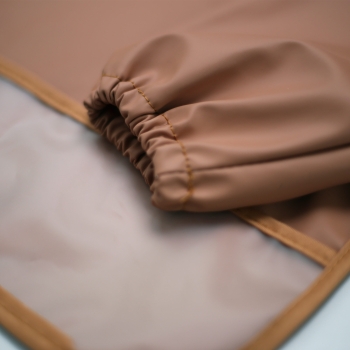
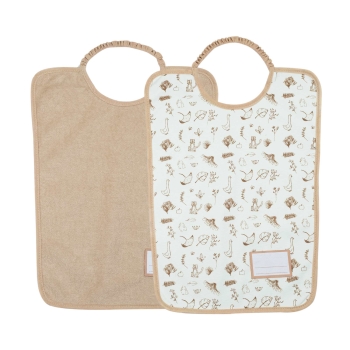
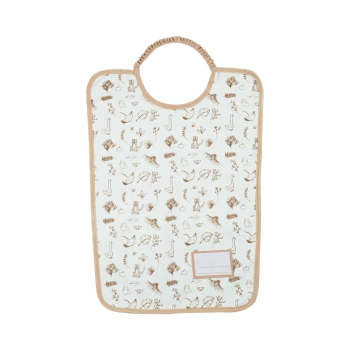
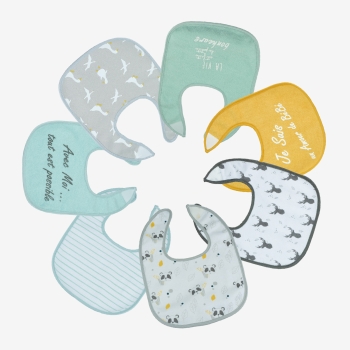
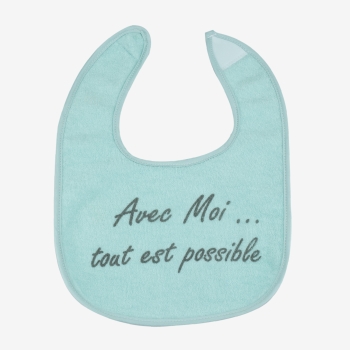
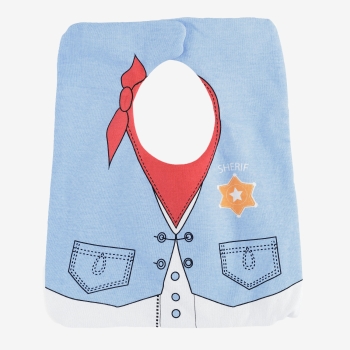
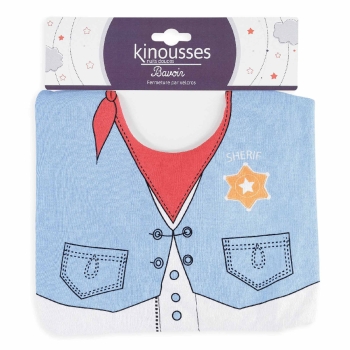
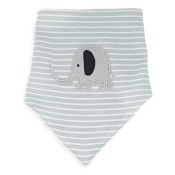
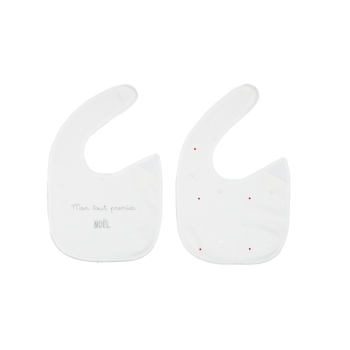
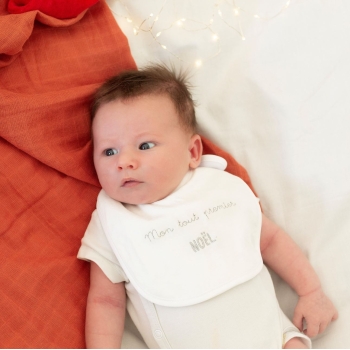
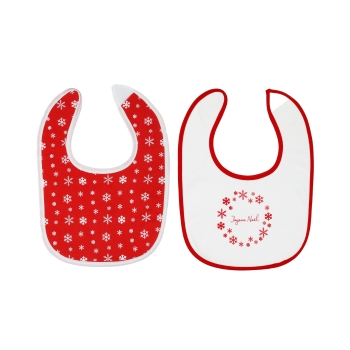
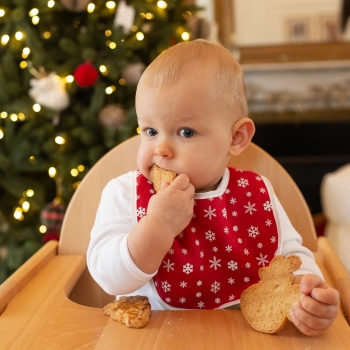
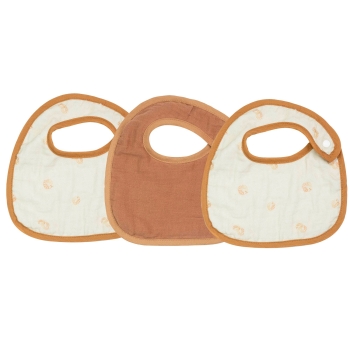
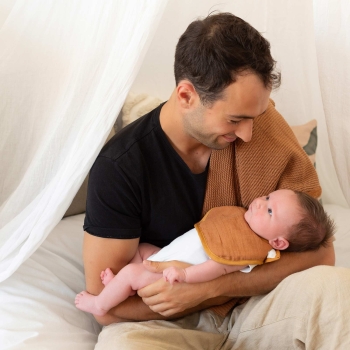
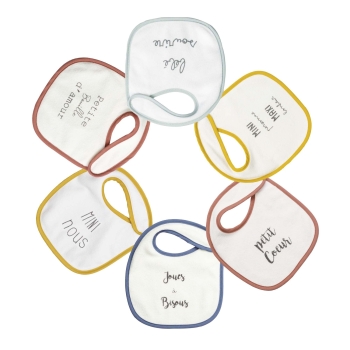
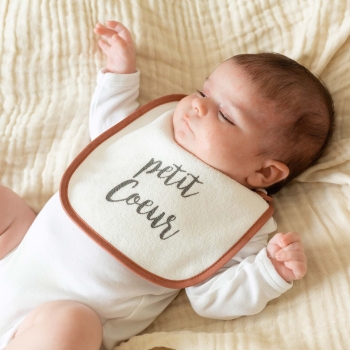
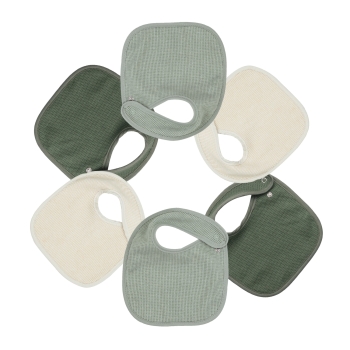
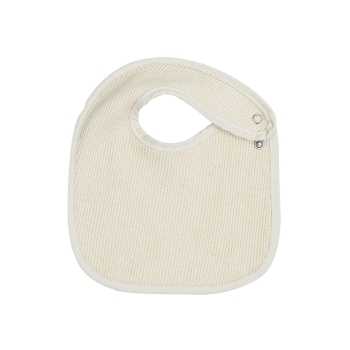
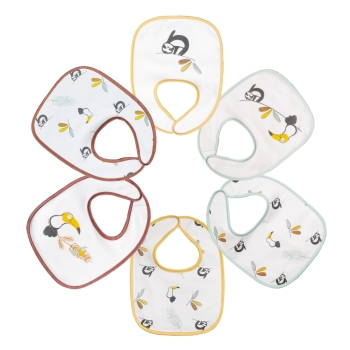
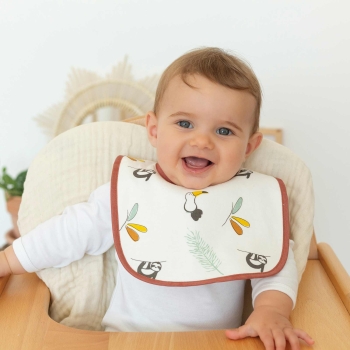

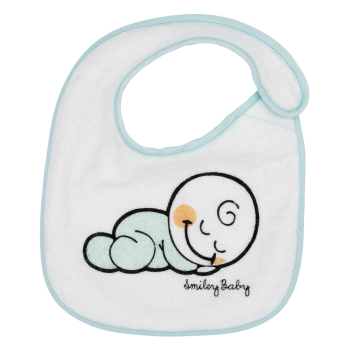
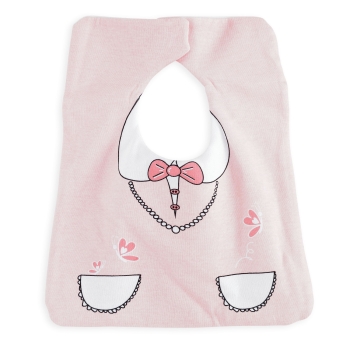
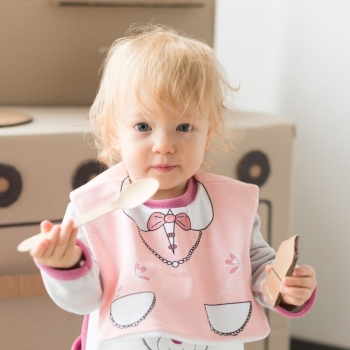
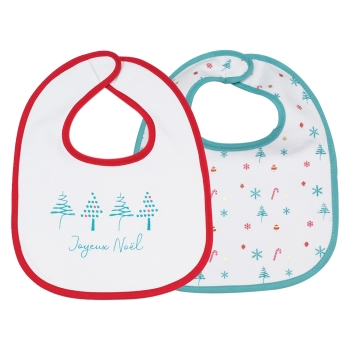
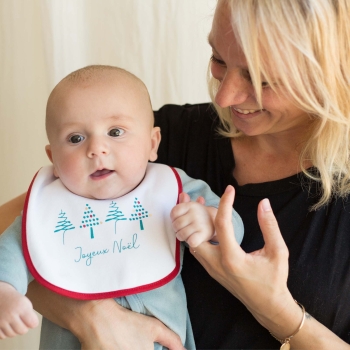
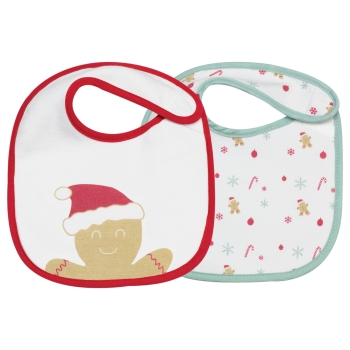
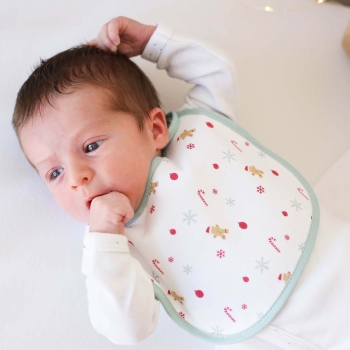

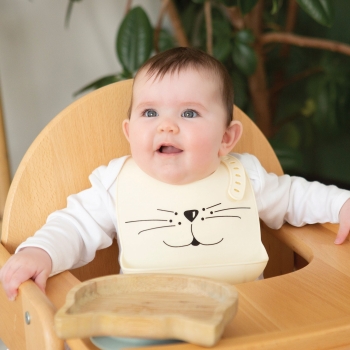
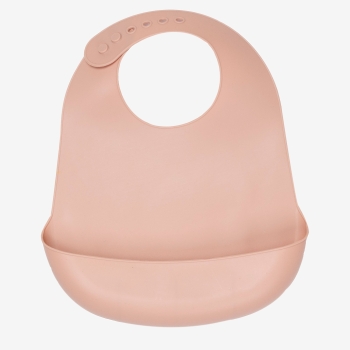
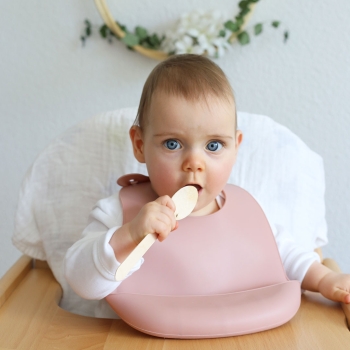
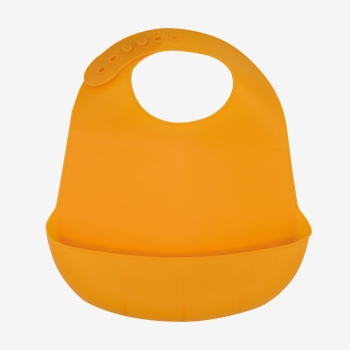
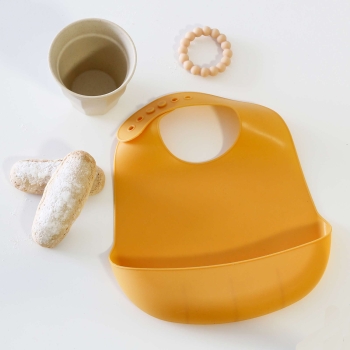
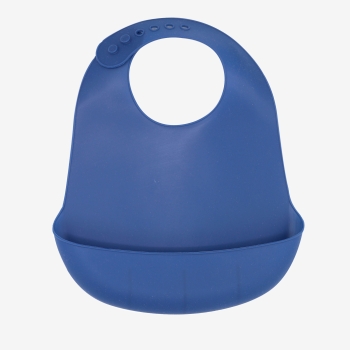
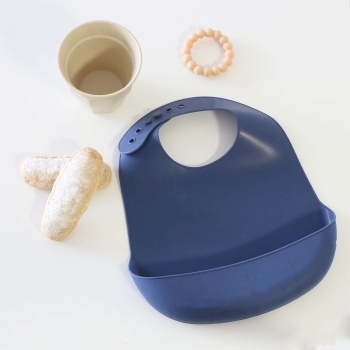
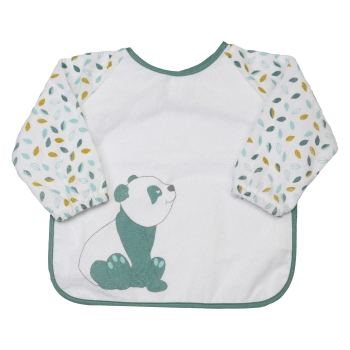
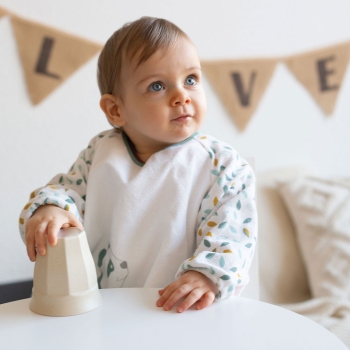
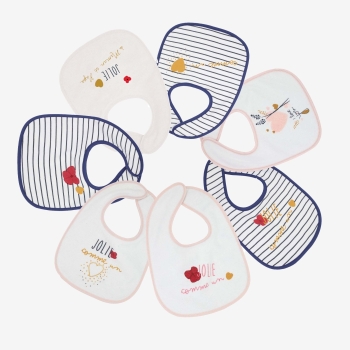
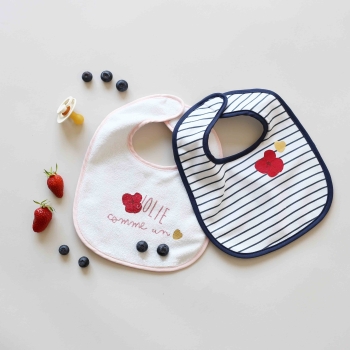
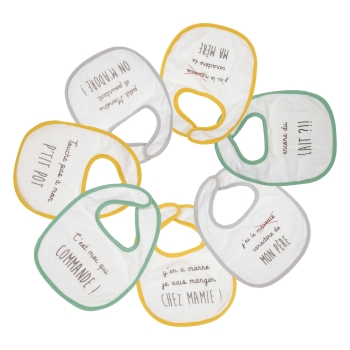
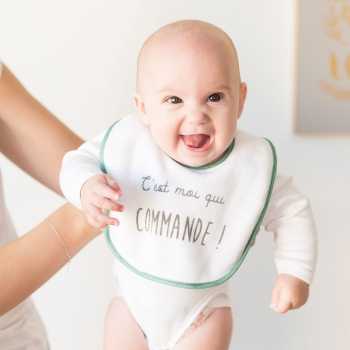
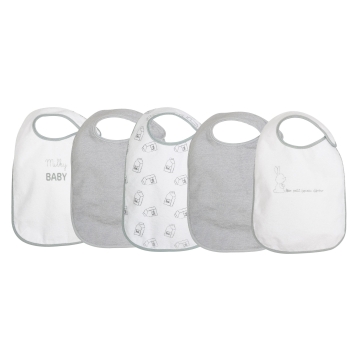
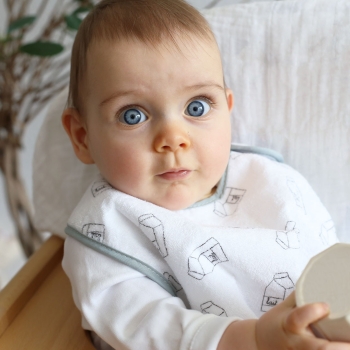
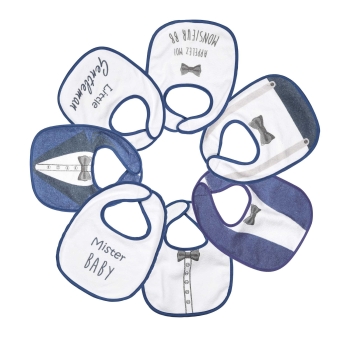
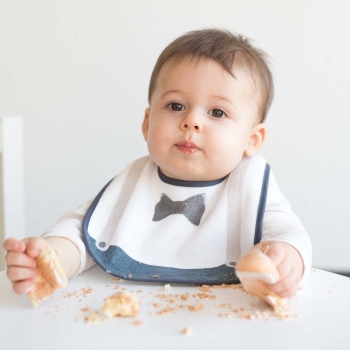
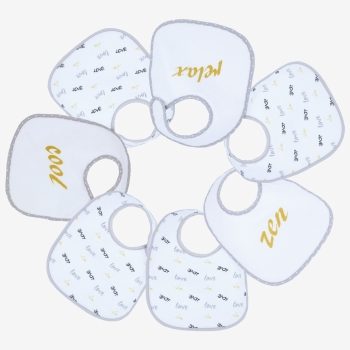
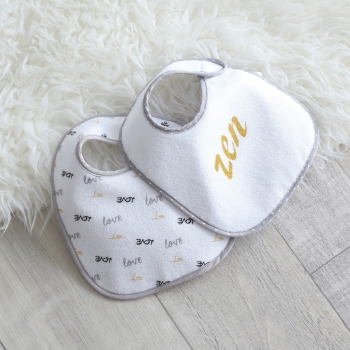
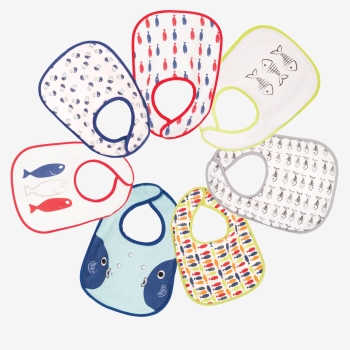
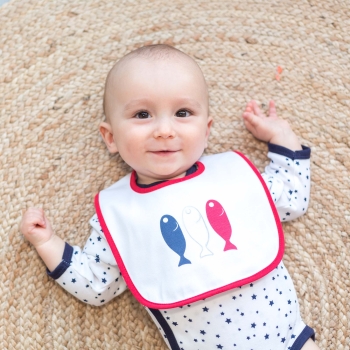
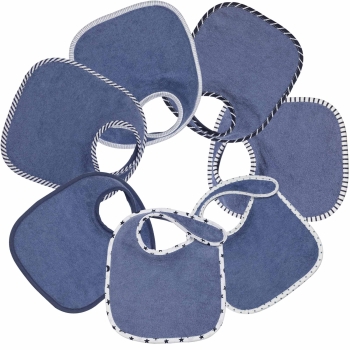
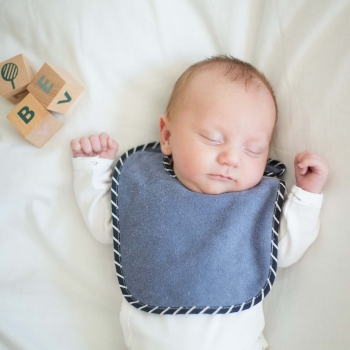
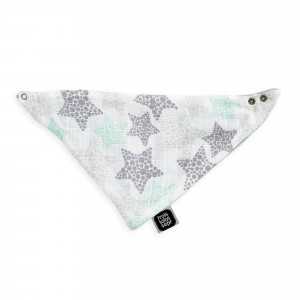
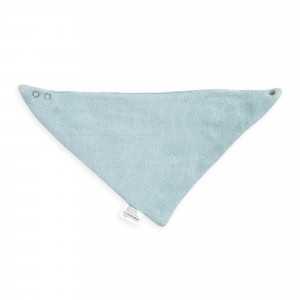
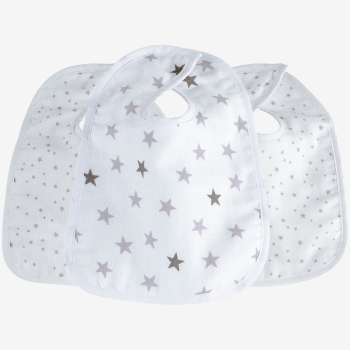
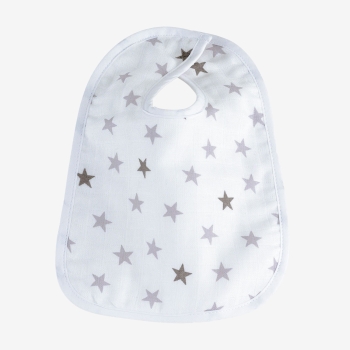
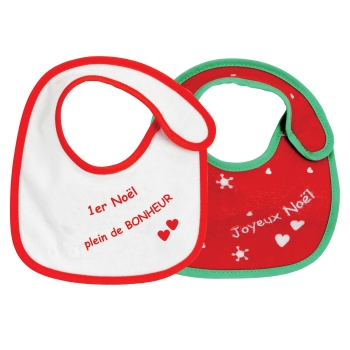
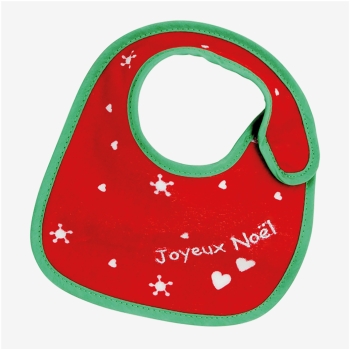
The right bib depends above all on the baby's age and feeding stage. During the first months, a small bib in an absorbent material is handy for bottles, breastfeeding and small spit-ups. When food diversification begins, protection becomes more important: a waterproof model, a silicone bib with a food catcher or a full-coverage apron makes messier mealtimes much easier.
As they grow, children take a more active part in meals and start eating on their own. A wider bib then provides better coverage for the upper body. At nursery or preschool, an easy-to-put-on neckline can also encourage independence. Material, size, fastening and care are therefore the four essential criteria to compare.
Need help? Visit our blog for guides on choosing a bib by age, preparing for food diversification, or finding a suitable nursery school bib for canteen meals.
What type of bib should you choose for a 3-month-old baby?
For a 3-month-old baby, a soft fabric bib is recommended, often in cotton or terry cloth. It should be small, lightweight and have a simple fastening (press-stud or Velcro). At this age, the bib is mainly useful for spit-ups or during feeding.
Which bib to use for food diversification?
You will need to use the fully waterproof and coverage bib to begin food diversification. This stage simply involves familiarising baby with new flavours and textures (think of our silicone meal kits perfect for food diversification). Start with vegetable purées at lunchtime then fruit compotes at snack time — the bib will help keep baby as clean as possible. You can also try baby-led weaning to give baby more freedom in discovering food. Baby's first purée is one of the most cherished memories for parents, but it is also the beginning of many wash loads.
The perfect bibs for first teeth.
Between 4 and 7 months, the first teething phase — it is very likely that baby will drool all day between bouts of crying! Waterproof bibs are recommended during this period to keep baby's neck as dry as possible, along with the front of their pyjamas.
From what age can you use a silicone bib with a food catcher?
The silicone bib is ideal from 6 months onwards, when baby starts food diversification. This type of bib is more rigid and designed to catch food thanks to its pocket catcher. It is less suited to newborns.
How do you wash a fabric bib?
A fabric bib can be machine washed at 30 or 40 °C, depending on the fabric. It is advisable to:
- Wash bibs after every use
- Avoid fabric softener to preserve absorbency
- Prefer air drying to avoid shrinkage
How many bibs does a baby need?
From birth to 4 months, your baby will be fed exclusively on breast milk or formula. To protect their first outfits, opt for a set of bibs in soft, natural absorbent terry cloth that will respect their delicate skin. You will easily find sets of 5 or 7 bibs to ensure a perfect rotation at every meal. One set will be enough if you do laundry every two days; otherwise, consider two sets for extra peace of mind.
Between 4 and 6 months, your baby will taste their first vegetable purées and fruit compotes. To prevent stains on your little one's clothes, stock up on waterproof bibs made from lined terry cloth. Highly absorbent and water-resistant, your child will stay clean throughout the meal. Some have a press-stud fastening, others a Velcro closure depending on your preference. For older babies, opt for the large bib from 12 months when baby starts eating independently. To limit the number of bib purchases and wash loads, go for silicone bibs — very easy to clean and just as practical to use from an early age. Very on-trend, Trois Kilos Sept offers them in mixed and pastel colours. Also discover the long-sleeved bib for arts and crafts or more adventurous mealtimes.